How Do Consumers Choose the Right Cookware?

When consumers decide to buy a frying pan, saucepan, or cookware set, price and product quality are not always the only deciding factors. Interestingly, the person who pays for the product, the person who chooses it, and the person who actually uses it may be three different people.
For cookware manufacturers and brands, understanding who is making the purchase and what they really care about is essential for developing products that meet real consumer needs.
1. Companies Buying Cookware for Retail
The first group includes supermarkets, kitchenware stores, distributors, trading companies, and online retailers.
These businesses are usually not the actual end users of the products. Therefore, they may not be able to fully recognize the practical advantages or disadvantages of a frying pan or pot.
When selecting cookware, they often focus on:
- Purchase price and potential profit margin.
- Attractive, modern, and easy-to-sell designs.
- Colors and packaging that catch consumers’ attention.
- Products that look convenient and easy to use.
- Multiple sizes that can create a complete product range.
- Easy-to-promote features such as non-stick coating, induction compatibility, or ergonomic handles.
- Reliable product quality and stable delivery from suppliers.
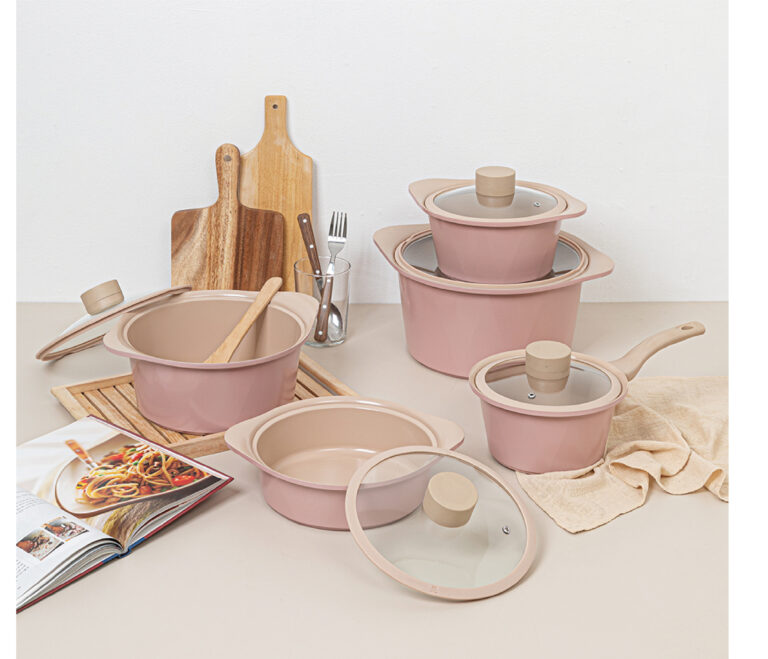
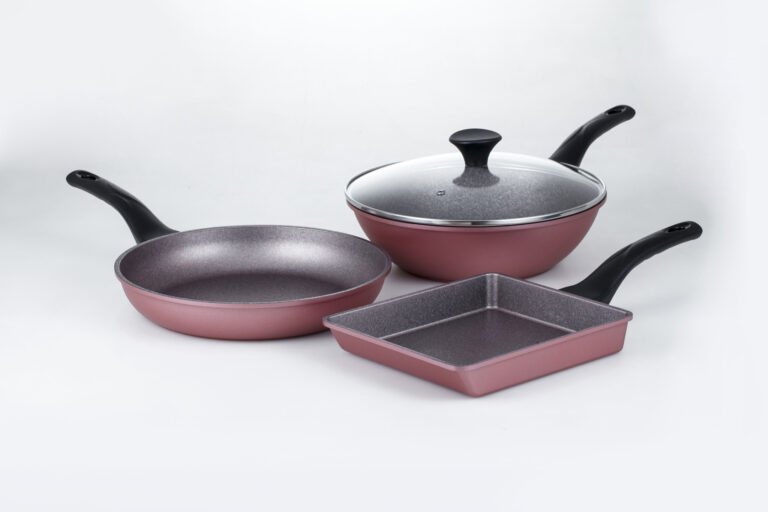
For online retailers in particular, product photography can have a major influence on purchasing decisions. A frying pan with an attractive design, appealing colors, and easy-to-explain features may be more attractive to retailers than a product with excellent cooking performance but an ordinary appearance.
In other words, retailers often buy what they believe their customers will want to buy.
2. People Buying Cookware as a Gift
The second group is common but is often overlooked by cookware manufacturers.
They may be husbands buying a frying pan for their wives, friends purchasing a housewarming gift, children buying cookware for their parents, or someone looking for a wedding gift.
These buyers are often not the main users of the product.
As a result, they may not be able to evaluate technical factors such as heat distribution, long-term non-stick performance, or how comfortable the pan feels during extended cooking.
Instead, they are often influenced by:
Design → Brand → Features and advertising → Price → Packaging.
Information such as “non-stick,” “induction compatible,” “easy to clean,” and “comfortable handle” can strongly influence this type of buyer.
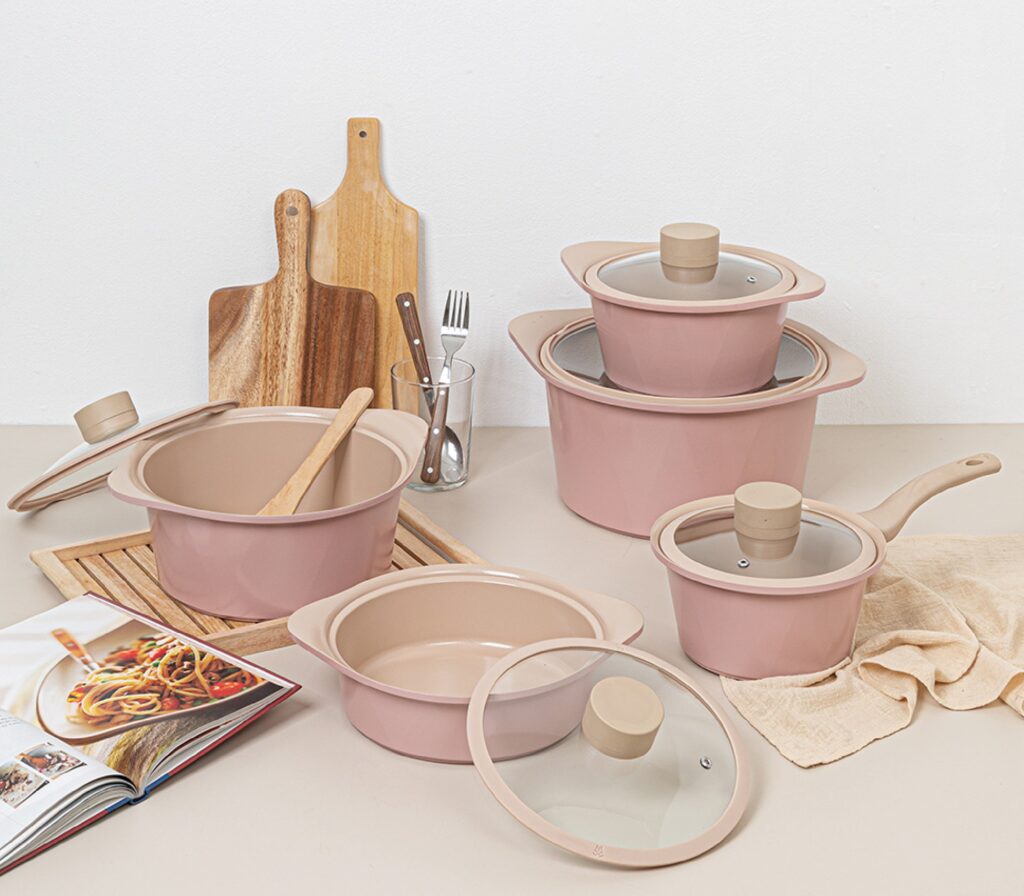
A product with attractive packaging, appetizing food photography, and simple, easy-to-understand benefits can create the impression that it is a useful and high-quality gift.
3. The Buyer Is Also the Main User
This is the group that can evaluate cookware based on real everyday experience.
They may be home cooks, people who prepare meals regularly, or anyone who uses frying pans and pots every day.
These consumers look beyond price and appearance. They pay attention to details that other buyers may overlook.
Is the handle comfortable?
A beautiful handle does not necessarily mean it is easy to use.
Regular cooks care about whether the handle feels secure, fits comfortably in the hand, stays at a reasonable temperature, and remains easy to hold when the pan is full of food.
Is the weight appropriate?
A heavier pan is not necessarily a better pan.
A heavy frying pan may feel solid and durable, but when used every day, especially for stir-frying or tossing food, it can quickly become tiring.
That is why a well-balanced and practical weight is an important consideration.
Is it easy to clean?
This is one of the factors that real users pay particular attention to.
A good non-stick frying pan not only helps prevent food from sticking but can also make cleaning much faster after cooking.
Is it compatible with induction cooktops?
For modern consumers, compatibility with different types of cooktops is increasingly important.
Cookware that works with gas, electric, and induction cooktops can offer greater flexibility in the kitchen.
Is the color easy to maintain?
This may seem like a small detail, but it matters in everyday use.
Some colors look beautiful when the product is new but can make grease and stains more visible over time. Therefore, users may care not only about an attractive color, but also about whether the finish is easy to maintain and clean.
Is it convenient to store?
Small details such as hanging holes, handle design, stackability, and the ability to drain and dry quickly can also influence everyday cooking convenience.
These features may be overlooked by retailers, but actual users can appreciate them greatly.
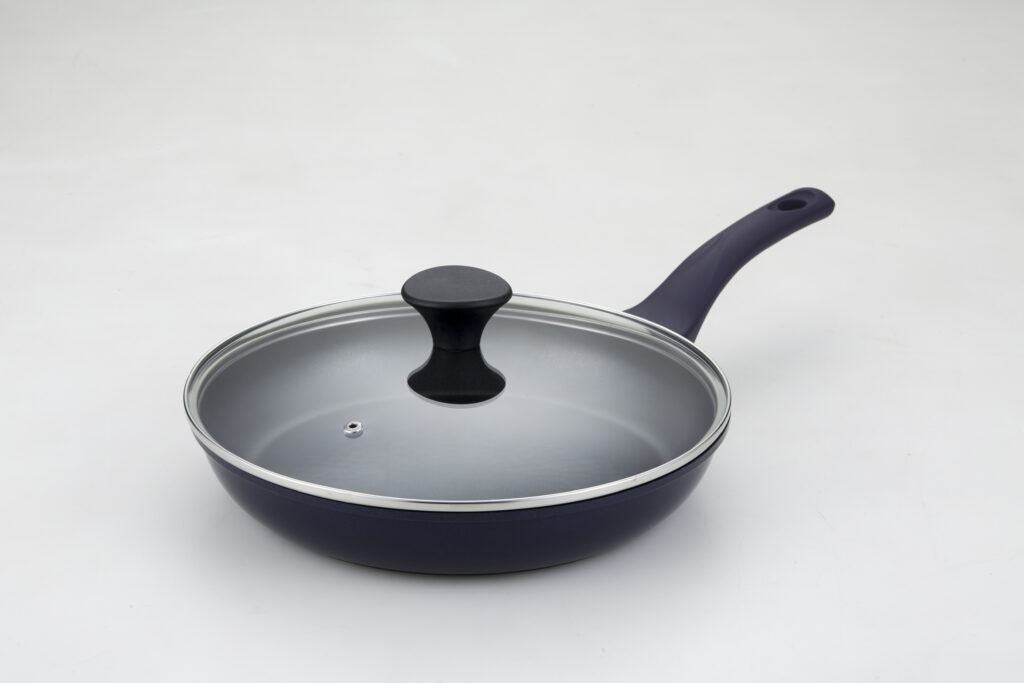
4. Experienced Cooks and Cooking Enthusiasts
Another important group is people who genuinely understand cooking.
They may include professional chefs, cooking enthusiasts, or consumers who have used different types of cookware for many years.
They tend to pay closer attention to:
- Heat distribution and thermal performance.
- Temperature stability.
- Body thickness and construction.
- Non-stick coating quality.
- Resistance to warping.
- Long-term durability.
- Suitability for different cooking methods.
- Overall balance and handling.
This group is much harder to convince with attractive images or advertising alone. Their experience allows them to quickly recognize the difference between a genuinely well-designed cookware product and one that simply looks good.
A Successful Cookware Product Needs to Satisfy Different Buyers
The most interesting aspect of the cookware market is that the person who decides to buy a product is not always the person who uses it.
A distributor may focus on price and sales potential.
A gift buyer may care about design, brand recognition, and packaging.
Meanwhile, the actual user may care more about the handle, weight, non-stick performance, ease of cleaning, and overall cooking experience.
Therefore, a successful cookware product needs to balance three key factors: easy to sell, attractive to look at, and comfortable to use.
For manufacturers, this is why developing a frying pan or pot is not simply about choosing the right material and creating a product that can cook food. Good cookware should be designed around real consumer behavior and everyday cooking needs.
Ultimately, customers may initially purchase a frying pan because of its price or attractive design. But if, after months of use, they still find it comfortable to hold, easy to cook with, resistant to sticking, and quick to clean, that is what makes them choose the same brand again.
For cookware, a successful product is not simply one that sells. It is a product that consumers want to keep using every day.